Headaches in Teenagers: What Every Parent and Adolescent Should Know
Understand why headaches are so common in teenagers, how hormones, screens, and exam stress drive them, and when to seek neurological evaluation for your child.
Headaches in Teenagers: What Every Parent and Adolescent Should Know
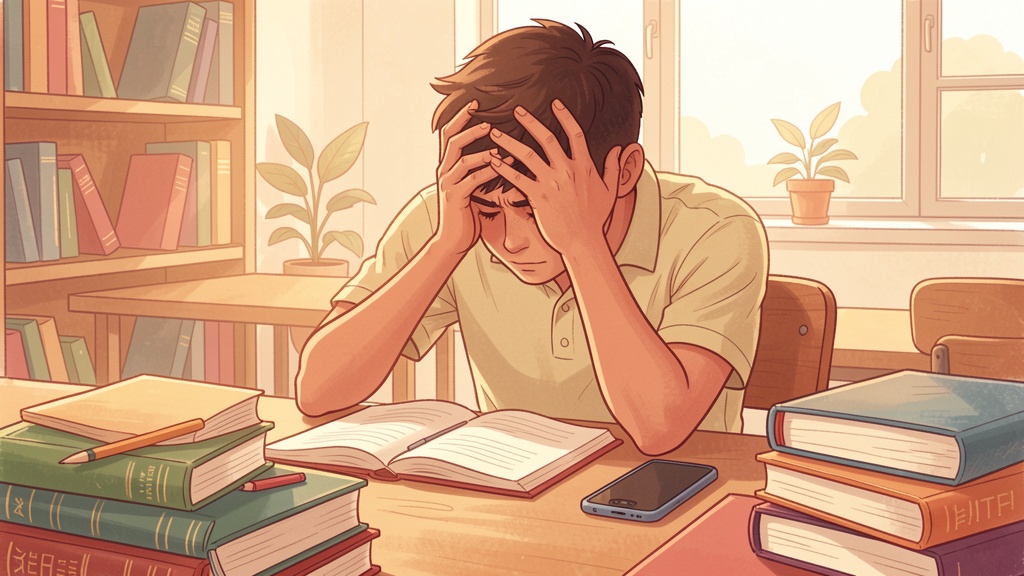
Headaches are the most common neurological complaint I see in adolescent patients, and among the most underestimated. Parents frequently tell me their teenager “just gets headaches” or assumes it is because of “too much screen time.” Sometimes that is true. But in a significant number of teenage patients, the headaches are frequent, disabling, and affecting school performance, sleep, and social life in ways that deserve proper attention.
Adolescence is a time of significant neurological and hormonal change, and it creates a perfect storm for certain headache patterns. Understanding these patterns is the first step toward addressing them.
Why Headaches Spike in Adolescence
Several factors converge in the teenage years to drive headache frequency:
Hormonal changes: The onset of puberty, particularly in girls, triggers a significant rise in migraine prevalence. Before puberty, migraine affects boys and girls roughly equally. After menarche, girls are three times more likely to have migraine than boys. Oestrogen fluctuations are the primary driver. Many girls report headaches in the days before or during their period. This is menstrual migraine, and it is extremely common in this age group.
Academic stress: In the Indian educational context, the pressure of board examinations, competitive entrance tests like JEE and NEET, and the culture of extensive coaching and tuition creates chronic psychological stress that is a powerful headache trigger. I see clear spikes in teenage headache consultations in the months before major examinations.
Sleep disruption: Teenagers naturally shift toward later sleep and wake times during puberty, a biological reality. But school start times, coaching schedules, and late-night studying create chronic sleep deprivation. Irregular sleep is one of the most reliable headache triggers we know of.
Screen time: Long hours on devices for both study and recreation cause sustained eye strain, poor posture (particularly head-forward neck position), and exposure to blue light that disrupts sleep. These are real contributors to both tension-type and migraine headaches.
Skipping meals: Between school hours, tuition, and extracurricular activities, many teenagers eat irregularly. Missed meals, particularly breakfast, cause blood sugar fluctuations that reliably trigger headaches in susceptible individuals.
Sports-related: Contact sports can cause concussion, and post-traumatic headache following even mild head injury is common in adolescents and deserves evaluation. Additionally, dehydration during physical activity is a common trigger in the Indian climate.
What Type of Headache Is Your Teenager Having?
The two most common headache types in adolescents are:
Migraine: Typically one-sided (though adolescents sometimes have bilateral migraine), throbbing, moderate to severe, lasting 2 to 72 hours, accompanied by nausea and sensitivity to light and sound. Many teenagers retreat to a dark room. Some have an aura: visual disturbances, tingling, or difficulty speaking before the headache begins. Migraine is often familial, so if you or your spouse get migraines, your teenager is at higher risk.
Tension-type headache: Bilateral pressing or tightening sensation, mild to moderate, not worsened by activity. Typically related to stress, poor posture, or fatigue. In teenagers with heavy study loads, this can become a near-daily occurrence.
Some teenagers have both, and mixed patterns are common.
Warning Signs: When to Take It Seriously
Most teenage headaches are benign, but certain features require prompt medical evaluation:
Seek emergency care for:
- Sudden, explosive onset headache: worst headache of their life, reaching maximum intensity within seconds
- Headache with fever and stiff neck (possible meningitis)
- Headache following a head injury, especially with vomiting or confusion
- Headache with weakness, vision changes, or speech difficulty
See a neurologist or doctor if:
- Headaches are occurring more than once or twice a week
- Headaches are causing your teenager to miss school regularly
- Sleep is being significantly disrupted by headaches
- Over-the-counter medication is being used more than two or three times a week (this increases the risk of medication overuse headache)
- The headache pattern has changed, suddenly more severe or more frequent than before
- Your teenager seems anxious, low in mood, or withdrawn alongside the headaches
School and Education
Frequent headaches affect learning in ways that are not always obvious. A teenager who misses two or three days of school per month due to headache misses a significant amount of instruction over a school year. Migraine in particular can cause cognitive slowing (difficulty concentrating, memory lapses, word-finding difficulties) that persists beyond the attack itself.
What I advise parents to do:
- Inform the class teacher and school counsellor that your teenager has a diagnosed headache condition, and request that they be allowed to rest in the medical room during an attack rather than pushing through in class
- Ensure the school has a written plan if rescue medication has been prescribed
- For board exam students: speak to the neurologist about whether examination accommodations (extra time, separate quiet room) are appropriate and how to apply for them through the school board
Management Approaches
Lifestyle measures first: For most teenagers, addressing sleep, meal regularity, hydration, screen habits, and stress makes a significant difference before any medication is considered.
- Fix sleep: consistent wake time even on weekends, reducing screen use after 9pm, avoiding studying right before bed
- Eat regularly: breakfast is non-negotiable for headache-prone teenagers
- Hydrate: especially during the Indian summer and during physical activity
- Movement: regular moderate exercise (not just high-intensity coaching sessions) reduces headache frequency over time
Acute treatment: If a neurologist has diagnosed migraine, appropriate acute treatment prescribed and taken early in an attack is far more effective than waiting and using higher doses of over-the-counter medication. We discuss options individually based on the teenager’s profile.
Preventive treatment: For teenagers with frequent migraine significantly impacting their life, daily preventive medication can reduce attack frequency substantially. This is a conversation to have with your neurologist, since it is not appropriate to manage preventive medication without specialist guidance.
Psychological support: In teenagers where anxiety, perfectionism, or examination-related stress is a significant driver, brief psychological therapy (cognitive behavioural therapy, stress management techniques) can be as effective as medication. I refer patients to this option regularly and find it highly valuable.
Common Questions
1. My teenager has headaches every few days: is this an emergency? Frequent headaches are not usually a medical emergency, but they are clinically significant and deserve proper evaluation. Headaches occurring more than once or twice a week, or causing missed school, should be assessed by a neurologist. The goal is to identify the headache type and address it effectively, not simply to manage attacks as they come.
2. Should I be worried if my teenager’s headache is one-sided? One-sided headache is a classic migraine feature and does not, by itself, indicate danger. What matters more is the overall pattern: is it regular, does it respond to rest and hydration, does it follow a recognisable trigger pattern? A new severe one-sided headache in someone with no history of headache warrants evaluation, but ongoing one-sided headaches that fit a migraine pattern are very commonly seen in adolescents.
3. Can my teenager take over-the-counter pain relief for school? Occasionally, yes, but this must be used cautiously. Over-the-counter analgesics taken more than two to three times a week create medication overuse headache, which is common in teenagers and causes near-daily headache that is very difficult to treat. If your teenager is taking pain relief that frequently, the goal should be reducing the need for it, not managing the supply.
4. Will headaches improve after the teenage years? For many, yes. Migraine in particular often improves after adolescence, and some young women find significant improvement after hormonal changes in their twenties. But this is not universal, and suffering through adolescence without proper management is not necessary. Effective treatment now also helps prevent the condition becoming entrenched.
A Personal Note
I want to speak directly to the teenagers reading this: a headache that disrupts your studies, your sleep, or your friendships is not just something you have to push through. You are not being weak, and you are not imagining it. Headaches in adolescence are real, common, and, importantly, treatable. The earlier you get a proper evaluation, the easier it is to get them under control before they become a fixed pattern.
And to parents: your instinct to investigate is right. Please do not accept “it is just stress” as a complete answer without a proper headache assessment. Stress may well be a factor, but understanding what type of headache your child has, and why, makes all the difference to treatment.
This article is for educational purposes only and is not a substitute for professional medical advice. Please consult a qualified neurologist for the diagnosis and treatment of any neurological condition.
Need Professional Help?
If you or your loved one is experiencing neurological symptoms, don’t hesitate to reach out. Schedule a consultation with Dr. Natasha Tipnis Shah for expert care and guidance.
Book an AppointmentSchedule Your Consultation
Take the first step towards better neurological health. Book your appointment today.
Hospital Locations
Jaslok Hospital & Research Center
K.J. Somaiya Hospital & Research Center
Somaiya Ayurvihar, Eastern Express Hwy, Sion East, Sion, Mumbai, Maharashtra 400022
24 Hours
Zynova Shalby Hospital
CTS 1900-1917, Lal Bahadur Shastri Marg, Gandhi Nagar, Kirti Vihar, Ghatkopar West, Mumbai, Maharashtra 400086
24 Hours
Heart & Vascular Superspeciality Hospital
3rd Floor, Silver Point, Lal Bahadur Shastri Marg, Kasturi Park, Maneklal Estate, Ghatkopar West, Mumbai, Maharashtra 400086
24 Hours