Headaches at Work: Managing Head Pain in Your Professional Life
Practical guidance on identifying workplace headache triggers, requesting accommodations, managing attacks professionally, and protecting your career while treating your condition.
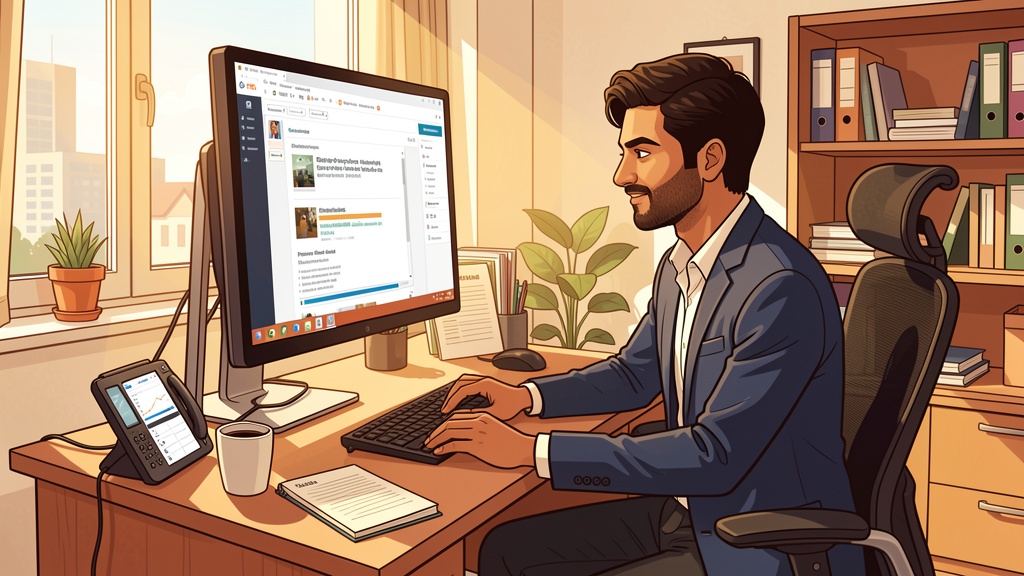
Headaches at Work: Managing Head Pain in Your Professional Life
Headache is one of the leading causes of lost productive time in the workplace globally, and yet it remains one of the most stigmatised conditions to disclose at work. In India especially, where professional culture in many sectors prizes long hours and stoicism, many people with significant headache conditions are managing severe attacks at their desks while colleagues have no idea.
I have seen patients who have turned down promotions, avoided certain roles, or left promising careers because their headaches were not managed and their workplace was not accommodating. This does not have to be the outcome. With the right combination of medical management, workplace adjustments, and, when appropriate, disclosure, people with headache conditions can have full, successful professional lives.
How the Workplace Contributes to Headaches
The modern urban Indian workplace creates a near-perfect environment for headache in susceptible individuals:
Screen exposure: Long hours staring at monitors cause eye strain, particularly when screens are too bright, too close, or at the wrong height. The blue light emitted by screens can also disrupt circadian rhythms and sleep, which compounds the problem over time.
Lighting: Fluorescent overhead lighting is a well-established migraine trigger. Open-plan offices, increasingly common in Mumbai’s tech and finance sectors, often have no individual control over lighting levels.
Noise: Open-plan environments, open phone calls, background conversation: noise is a trigger and also increases stress, which is itself a headache driver.
Sedentary posture: Eight or more hours seated, often with a forward-head posture while looking at a laptop, creates sustained muscle tension in the neck, shoulders, and upper back that directly causes and worsens tension-type headaches. Poor ergonomics is one of the most correctable workplace headache drivers.
Irregular eating: Back-to-back meetings, no scheduled lunch break, eating at the desk while working: these patterns cause blood sugar fluctuations that reliably trigger headaches. Skipping breakfast for an early morning commute compounds this.
Commuting stress: Long commutes on crowded trains or in Mumbai traffic are physically and psychologically taxing. Many of my patients describe arriving at work already stressed and tense before the workday has begun.
Air conditioning: Dehydrating, sometimes cold to the point of causing muscle tension, and when not properly maintained, can circulate dust and mould that trigger nasal symptoms. I hear about this from patients regularly.
Practical Workplace Adjustments
These changes do not require permission from anyone and can make a significant difference:
Ergonomics: Screen at eye level (not below, not above, but directly ahead), chair adjusted so your feet are flat on the floor and your elbows are at desk height, keyboard position that allows relaxed shoulders. If your employer provides ergonomic assessments, use them. If not, most adjustments can be made with minor equipment changes.
Screen settings: Reduce screen brightness, increase text size to reduce eye strain, use a blue light filter (built into most modern devices under display settings), and position your screen so there is no glare from windows.
The 20-20-20 rule: Every 20 minutes, look at something 20 feet away for 20 seconds. This reduces sustained ciliary muscle tension from close focus work.
Regular breaks with movement: A brief standing and stretching break every 45-60 minutes is not a luxury. It is headache prevention. A quick walk to get water, a few neck and shoulder stretches, some deep breathing: these interrupt the muscle tension cycle before it becomes a headache.
Hydration: Keep a water bottle on your desk and drink from it regularly, not just when you feel thirsty. Dehydration headaches in air-conditioned offices are extremely preventable.
Consistent meals: Protect your lunch break. Even a 20-minute break with a proper meal is significantly better for headache risk than eating hastily at your desk or skipping lunch entirely.
Noise management: If open-plan noise is a trigger, over-ear headphones (with quiet or low-stimulation audio) can reduce auditory exposure without requiring any formal accommodation.
Managing an Attack at Work
Having a clear plan for what to do during a migraine or severe headache attack at work reduces the anxiety of managing an episode professionally:
- Acute medication: If you have been prescribed medication for acute attacks, keep it at your workplace, in your bag or desk. Taking it early in an attack is significantly more effective than waiting.
- Dark, quiet space: Many larger offices have a medical room or quiet room. Know where it is before you need it. Rest during the early phase of an attack is more productive, in terms of recovery time, than pushing through it.
- Inform a trusted colleague: You do not need to disclose your full medical history, but having one person who knows that you sometimes have severe headaches and may need a brief period of rest is practically useful and reduces anxiety.
- Reschedule where possible: If you have the flexibility, brief reschedules of non-urgent meetings during an attack are better than poor-quality participation that leaves a worse professional impression.
Disclosing to Employers: When and How
This is a personal decision, and there is no single right answer. What I advise patients to consider:
You are not obligated to disclose your diagnosis. You have a right to medical privacy. That said, disclosure can make accommodations easier to arrange and may protect you if headache-related absences become a pattern.
Frame it functionally: Instead of leading with diagnosis, lead with what accommodations help. “I have a chronic headache condition that is medically managed, and I’ve found that being able to adjust my screen brightness and take brief breaks helps me function optimally” is more actionable for an employer than a medical history.
Reasonable accommodations to consider requesting:
- Individual or adjustable desk lighting
- Flexibility to work from a quieter space during attacks
- A standing desk or option to adjust workstation ergonomics
- Flexibility around rigid start times (migraine often occurs in the early morning hours)
- Permission to keep rescue medication on your person and use it when needed
In India, protections for workers with chronic health conditions vary by employer and sector. HR departments in larger organisations are increasingly aware of this. Frame requests as productivity-supporting rather than exception-seeking.
When to Seek Medical Clearance or Documentation
If headaches are significantly impacting your attendance or performance, working with your neurologist to produce a brief medical letter (describing the condition in functional terms, the treatment plan, and the recommended workplace adjustments) can support formal accommodation requests and protect you in HR discussions.
Common Questions
1. My employer is unsympathetic: do I have any rights regarding my headache condition? Under Indian labour law, and increasingly under the Rights of Persons with Disabilities Act 2016, chronic migraine can qualify for workplace protections when it significantly impacts daily functioning. The practical application varies by employer and sector, but a medical letter from your neurologist describing the condition, its functional impact, and recommended adjustments is the first step. Knowing your rights, and presenting them clearly with documentation, changes the dynamic significantly.
2. I work from home but I still get headaches: how is that possible? Remote work removes commute stress and some social demands, but it often creates worse ergonomic conditions (makeshift home office setups), longer unbroken screen hours, blurring of work-rest boundaries, reduced physical movement, and isolation-related stress. All of these are headache drivers. A proper home workstation setup and defined screen breaks are as important at home as in an office.
3. Can I claim disability benefit for chronic migraine in India? This is an evolving area. Severe, frequent migraine that significantly reduces functional capacity can potentially qualify under the RPwD Act 2016, which includes neurological conditions. Certification involves assessment by a designated medical authority. Your neurologist can provide supporting documentation and help you understand whether your specific situation would qualify. This is worth exploring if your headaches are causing significant occupational impairment.
4. My headaches are worst on Monday mornings: what could cause that? Classic “Monday morning headache” is often caused by the combination of changed sleep and caffeine habits over the weekend: sleeping in, skipping your usual morning coffee, dehydration from Sunday social events, and the transition back to work stress. Maintaining similar sleep and caffeine timing across the week, and staying well-hydrated on Sundays, typically resolves this pattern.
A Personal Note
I want to say directly to patients who are managing significant headaches while also trying to maintain a professional life: you are carrying more than most of your colleagues realise. The effort of appearing functional during an attack, of managing medication discreetly, of planning around unpredictable episodes, is tiring.
The goal of treatment is to reduce that burden enough that work feels manageable rather than like a constant performance under difficult conditions. Getting the right medical treatment is one part of that. Creating a workplace that is as headache-friendly as possible is another. Neither requires perfection, just the right adjustments, systematically applied.
This article is for educational purposes only and is not a substitute for professional medical advice. Please consult a qualified neurologist for the diagnosis and treatment of any neurological condition.
Need Professional Help?
If you or your loved one is experiencing neurological symptoms, don’t hesitate to reach out. Schedule a consultation with Dr. Natasha Tipnis Shah for expert care and guidance.
Book an AppointmentSchedule Your Consultation
Take the first step towards better neurological health. Book your appointment today.
Hospital Locations
Jaslok Hospital & Research Center
K.J. Somaiya Hospital & Research Center
Somaiya Ayurvihar, Eastern Express Hwy, Sion East, Sion, Mumbai, Maharashtra 400022
24 Hours
Zynova Shalby Hospital
CTS 1900-1917, Lal Bahadur Shastri Marg, Gandhi Nagar, Kirti Vihar, Ghatkopar West, Mumbai, Maharashtra 400086
24 Hours
Heart & Vascular Superspeciality Hospital
3rd Floor, Silver Point, Lal Bahadur Shastri Marg, Kasturi Park, Maneklal Estate, Ghatkopar West, Mumbai, Maharashtra 400086
24 Hours