Headaches and Sleep: The Critical Connection
Discover how sleep quality affects headaches and learn effective strategies for better sleep hygiene. Understand the relationship between sleep disorders and headache patterns for optimal management.
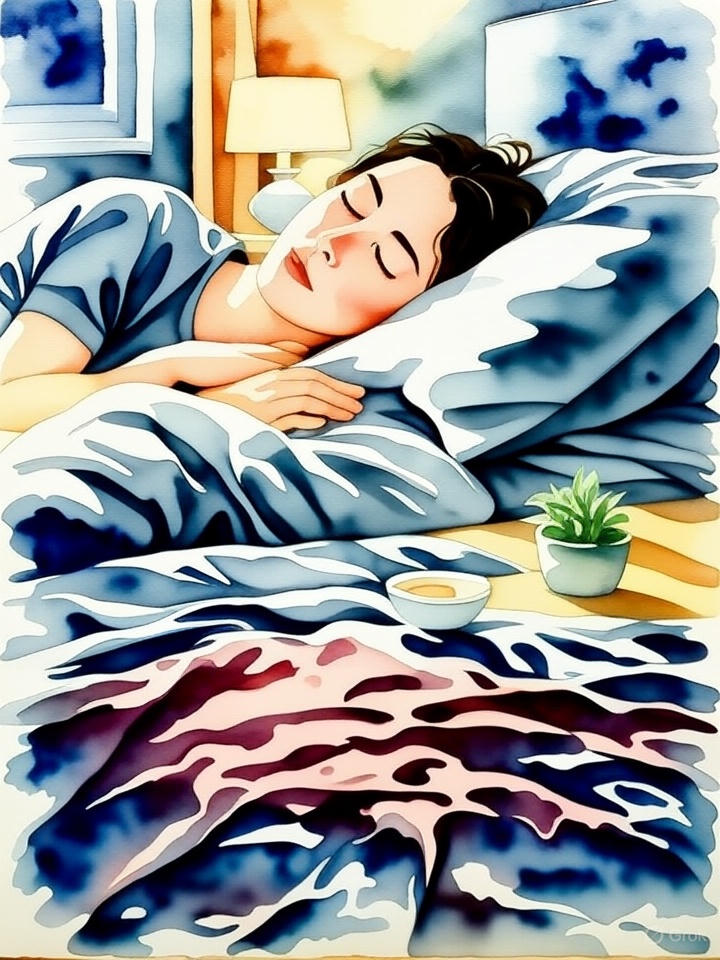
Headaches and Sleep: The Critical Connection
As a neurologist practicing in both the UK and India through my work with SAMMAN, I’ve consistently observed how closely sleep quality and headache patterns are linked. Understanding this connection is essential for effective headache management.
Understanding the Sleep-Headache Cycle
In my clinical experience, I’ve identified key ways sleep affects headaches:
- Sleep Deprivation: Insufficient sleep triggering headaches
- Poor Sleep Quality: Fragmented sleep leading to morning headaches
- Sleep Disorders: Conditions like sleep apnea causing chronic headaches
- Circadian Disruption: Irregular sleep patterns affecting pain sensitivity
How Sleep Affects Headaches
Based on my practice, here’s how sleep influences headache development:
Sleep Deprivation Effects
- Neurotransmitter Imbalance: Affecting pain perception
- Stress Hormone Release: Cortisol elevation triggering headaches
- Inflammation Increase: Poor sleep promoting inflammatory responses
- Pain Sensitivity: Heightened sensitivity to pain signals
Sleep Quality Impact
- REM Sleep Disruption: Affecting brain recovery processes
- Deep Sleep Deficiency: Inadequate restorative sleep phases
- Frequent Awakenings: Preventing proper sleep cycles
- Early Morning Headaches: Poor sleep quality manifestation
Circadian Rhythm Disruption
- Irregular Sleep Schedule: Disrupting natural body rhythms
- Shift Work: Affecting sleep-wake cycles
- Travel: Jet lag triggering headaches
- Screen Exposure: Blue light affecting melatonin production
Common Sleep-Related Headache Patterns
Through my experience, I’ve observed these patterns:
Morning Headaches
- Sleep Apnea: Breathing interruptions causing oxygen deprivation
- Teeth Grinding: Jaw tension from nocturnal bruxism
- Poor Sleep Position: Neck strain causing tension headaches
- Dehydration: Overnight water loss affecting brain function
Cluster Headache Timing
- Sleep Phase Connection: Often occurring during REM sleep
- Seasonal Patterns: Following circadian rhythm changes
- Sleep Schedule Sensitivity: Triggered by schedule disruptions
- Nap-Related Triggers: Afternoon naps affecting nighttime sleep
Weekend Headaches
- Sleep Schedule Changes: Disrupting weekday rhythm
- Oversleeping: Too much sleep triggering headaches
- Late Bedtimes: Affecting natural sleep patterns
- Caffeine Withdrawal: Weekend coffee routine changes
Sleep Disorders and Headaches
In my practice, I’ve seen these common connections:
Sleep Apnea
- Oxygen Deprivation: Brain tissue affected by reduced oxygen
- Fragmented Sleep: Frequent awakening disrupting sleep cycles
- Morning Headaches: Classic symptom of sleep apnea
- Snoring Connection: Often accompanying sleep-disordered breathing
Insomnia
- Difficulty Falling Asleep: Anxiety and stress contributing to headaches
- Frequent Awakening: Preventing restorative sleep
- Early Morning Awakening: Inadequate sleep duration
- Sleep Anxiety: Worry about sleep affecting both conditions
Restless Leg Syndrome
- Sleep Disruption: Leg discomfort preventing deep sleep
- Movement During Sleep: Affecting sleep quality
- Medication Effects: Some treatments affecting headaches
- Iron Deficiency: Underlying condition affecting both
Creating Optimal Sleep Hygiene
From my work with patients, these strategies prove effective:
Sleep Environment
- Dark Room: Blackout curtains or eye masks
- Cool Temperature: 65-68°F (18-20°C) optimal
- Quiet Space: Earplugs or white noise machines
- Comfortable Bedding: Supportive pillows and mattress
Sleep Schedule
- Consistent Bedtime: Same time every night, including weekends
- Regular Wake Time: Maintaining circadian rhythm
- Limited Naps: Short naps before 3 PM if needed
- Gradual Adjustments: Slowly shifting sleep times
Pre-Sleep Routine
- Relaxation Time: 30-60 minutes before bed
- Screen Limitation: No devices 1 hour before sleep
- Reading or Meditation: Calming activities
- Warm Bath: Body temperature drop promoting sleep
Dietary Considerations
- Evening Meals: Light dinner 2-3 hours before bed
- Caffeine Cutoff: No caffeine after 2 PM
- Alcohol Limitation: Avoiding alcohol near bedtime
- Hydration Balance: Adequate fluids without nighttime disruption
Managing Sleep-Related Triggers
Through my experience, effective management includes:
Tracking Sleep Patterns
- Sleep Diary: Recording bedtime, wake time, and quality
- Headache Correlation: Noting headaches after poor sleep
- Pattern Recognition: Identifying personal triggers
- Apps and Devices: Using technology for tracking
Stress Management
- Evening Relaxation: Techniques to unwind
- Worry Time: Designated time for concerns earlier in day
- Meditation Practice: Mindfulness before sleep
- Progressive Relaxation: Systematic muscle relaxation
Physical Preparation
- Exercise Timing: Regular activity but not near bedtime
- Stretching Routine: Gentle stretches before bed
- Posture Awareness: Proper sleeping position
- Ergonomic Support: Appropriate pillows and mattress
Special Considerations
In my practice across different cultures, I’ve noted:
Cultural Sleep Practices
- Traditional Schedules: Respecting cultural sleep timing
- Family Arrangements: Multi-generational household considerations
- Religious Practices: Prayer or meditation timing
- Seasonal Variations: Adapting to local daylight patterns
Age-Related Changes
- Children: Different sleep needs and patterns
- Teenagers: Natural circadian rhythm shifts
- Adults: Work and family demands affecting sleep
- Elderly: Age-related sleep changes
Shift Work Challenges
- Rotating Schedules: Managing changing sleep times
- Light Exposure: Strategic use of bright light
- Nap Strategies: Effective napping for shift workers
- Family Coordination: Managing home environment
Treatment Strategies
Based on my clinical experience, effective approaches include:
Behavioral Interventions
- Cognitive Behavioral Therapy for Insomnia (CBT-I): Evidence-based treatment
- Sleep Restriction: Temporarily limiting time in bed
- Stimulus Control: Associating bed with sleep only
- Relaxation Training: Teaching effective relaxation techniques
Medical Assessment
- Sleep Study: Evaluation for sleep disorders
- Medication Review: Assessing drugs affecting sleep
- Underlying Conditions: Treating related health issues
- Specialist Referral: Sleep medicine consultation when needed
Lifestyle Modifications
- Exercise Program: Regular physical activity
- Light Therapy: Managing circadian rhythms
- Nutrition Counseling: Diet impact on sleep
- Stress Reduction: Ongoing stress management techniques
Technology and Sleep
In modern practice, I consider technology’s role:
Helpful Tools
- Sleep Apps: Tracking and guidance applications
- Blue Light Filters: Reducing evening screen impact
- White Noise Machines: Consistent background sound
- Smart Thermostats: Optimal bedroom temperature
Potential Problems
- Screen Time: Blue light affecting melatonin
- Stimulating Content: Exciting media before bed
- Work Emails: Stress from evening communications
- Social Media: Anxiety from online interactions
When to Seek Professional Help
Through my experience, seek help when:
Sleep Issues
- Chronic Insomnia: Difficulty sleeping for weeks
- Sleep Apnea Symptoms: Loud snoring, breathing pauses
- Excessive Daytime Sleepiness: Despite adequate sleep time
- Restless Sleep: Frequent movement or talking
Headache Concerns
- Daily Morning Headaches: Consistent upon awakening
- Sleep-Triggered Headaches: Clear sleep-headache connection
- Worsening Patterns: Increasing frequency or severity
- Medication Overuse: Relying heavily on pain medications
Building Better Sleep Habits
From my work with patients, successful strategies include:
Starting Small
- One Change at a Time: Gradual implementation
- Consistency: Maintaining new habits daily
- Patience: Allowing time for adjustment
- Flexibility: Adapting to personal needs
Family Involvement
- Household Support: Family understanding sleep importance
- Environmental Control: Managing noise and light
- Schedule Coordination: Aligning family routines
- Education: Teaching children good sleep habits
Long-term Success
- Regular Review: Assessing and adjusting strategies
- Professional Support: Ongoing healthcare guidance
- Stress Management: Addressing life changes
- Health Maintenance: Managing related conditions
Hope for Better Sleep and Fewer Headaches
In my years of practice, I’ve seen remarkable improvements when patients address both sleep and headaches together:
Success Stories
- Patients achieving consistent, restful sleep
- Significant reduction in headache frequency
- Improved overall quality of life
- Better stress management and emotional wellbeing
Key Messages
- Sleep and headaches are intimately connected
- Small changes can lead to significant improvements
- Professional help is available and effective
- Better sleep is achievable with proper guidance
Take Action Today
Based on my experience helping patients, here are immediate steps:
This Week
- Start a sleep and headache diary
- Establish a consistent bedtime
- Create a relaxing pre-sleep routine
- Optimize your sleep environment
This Month
- Put together a full sleep hygiene plan
- Address any underlying sleep disorders
- Consider professional sleep evaluation
- Implement stress management techniques
Remember
- Good sleep is essential for headache prevention
- Small improvements in sleep can significantly reduce headaches
- Professional help is available for sleep disorders
- Patience and consistency are key to success
Common Questions
In my practice, patients frequently ask:
-
How much sleep do I need to prevent headaches? Most adults need 7-9 hours of quality sleep nightly.
-
Can naps trigger headaches? Long or late afternoon naps can disrupt nighttime sleep and trigger headaches.
-
Should I take sleep medications for headache prevention? This requires individual assessment considering both conditions.
-
How long does it take to see improvement? Most patients notice changes within 2-4 weeks of improved sleep habits.
A Message of Hope
In my practice, I’ve seen headache frequency drop substantially once sleep problems are addressed. The relationship between sleep and headaches is complex, but with proper sleep hygiene, professional guidance when needed, and some patience, most patients see real improvement. Better sleep is one of the most effective things you can do for your headaches.
This article is for educational purposes only and is not a substitute for professional medical advice. Please consult a qualified neurologist for the diagnosis and treatment of any neurological condition.
Need Professional Help?
If you or your loved one is experiencing neurological symptoms, don’t hesitate to reach out. Schedule a consultation with Dr. Natasha Tipnis Shah for expert care and guidance.
Book an AppointmentSchedule Your Consultation
Take the first step towards better neurological health. Book your appointment today.
Hospital Locations
Jaslok Hospital & Research Center
K.J. Somaiya Hospital & Research Center
Somaiya Ayurvihar, Eastern Express Hwy, Sion East, Sion, Mumbai, Maharashtra 400022
24 Hours
Zynova Shalby Hospital
CTS 1900-1917, Lal Bahadur Shastri Marg, Gandhi Nagar, Kirti Vihar, Ghatkopar West, Mumbai, Maharashtra 400086
24 Hours
Heart & Vascular Superspeciality Hospital
3rd Floor, Silver Point, Lal Bahadur Shastri Marg, Kasturi Park, Maneklal Estate, Ghatkopar West, Mumbai, Maharashtra 400086
24 Hours