Headaches and Hypertension: Separating Myth from Medical Reality
Most hypertension does not cause headache, but some blood pressure scenarios do. Understand the real relationship between blood pressure and head pain, and when it is an emergency.
Headaches and Hypertension: Separating Myth from Medical Reality
One of the most persistent myths in medicine is that high blood pressure regularly causes headache. Patients frequently tell me: “I always know when my blood pressure is high because I get a headache.” In most cases, this belief is not supported by what we know about how hypertension actually behaves.
But, and this is important, there are specific blood pressure scenarios that do cause headache, and some of them are medical emergencies. Understanding the distinction is essential.
The Myth: Chronic Hypertension Causes Daily Headaches
Longstanding hypertension, even at moderately elevated levels, generally does not cause headache. Large population studies have shown that people with controlled or uncontrolled hypertension in the mild-to-moderate range do not have a higher rate of headache than people with normal blood pressure.
This matters clinically because many patients interpret their headaches as blood pressure readings and take extra medication, or attribute all head pain to their blood pressure without exploring other causes. In the majority of cases, their headaches have another cause (tension-type, migraine, medication overuse) and the blood pressure is incidental.
The self-reported belief that “I can feel my blood pressure rising” is generally not reliable. People with dangerously high blood pressure often feel nothing at all, which is why hypertension is called a “silent killer.”
When Blood Pressure Does Cause Headache
There are specific situations where blood pressure elevation does cause headache:
Hypertensive Crisis
When blood pressure reaches severely elevated levels, typically defined as systolic blood pressure above 180 mmHg, it can cause headache. This is called a hypertensive urgency (if there are no signs of organ damage) or hypertensive emergency (if there are signs that the brain, heart, or kidneys are being acutely affected).
The headache of hypertensive emergency is typically:
- Severe and pulsating
- Located at the back of the head (occipital)
- Worse in the morning
- Accompanied by other symptoms of end-organ involvement: nausea, vomiting, visual disturbances, confusion, chest pain, shortness of breath
This is a medical emergency. If blood pressure is extremely high and a person has a severe headache with any of the above features, they need emergency care immediately.
Pre-Eclampsia
In pregnant women, hypertension combined with headache and other features (visual disturbances, upper abdominal pain, swelling) indicates pre-eclampsia, a serious obstetric emergency. This is separate from standard hypertension management and requires immediate obstetric evaluation.
Secondary Hypertension
Some underlying causes of hypertension, such as pheochromocytoma (a tumour of the adrenal gland), can cause both severe hypertension and severe pulsating headaches during episodes. These episodes also involve sweating, palpitations, and pallor. If your blood pressure spikes dramatically at intervals with these accompanying features, specialist evaluation is important.
Medication-Related
Certain medications used in the management of hypertension can cause headache as a side effect, particularly at the start of treatment or when dosage is adjusted. Calcium channel blockers, for example, can cause headache, especially initially. This is worth discussing with your prescribing doctor if headache started or worsened with a new antihypertensive.
Warning Signs Requiring Immediate Emergency Care
Call emergency services or go to an emergency department immediately for:
- Severe headache with blood pressure that is extremely elevated (if you have a way to check)
- Headache with confusion, altered consciousness, or memory disturbance
- Headache with vision changes, including blurring or visual loss
- Headache with chest pain or shortness of breath
- Headache with weakness or slurred speech (possible stroke)
- Pregnant women: severe headache with visual disturbances or facial/hand swelling
Blood Pressure Monitoring: What to Do
If you have hypertension and headaches, I recommend this practical approach:
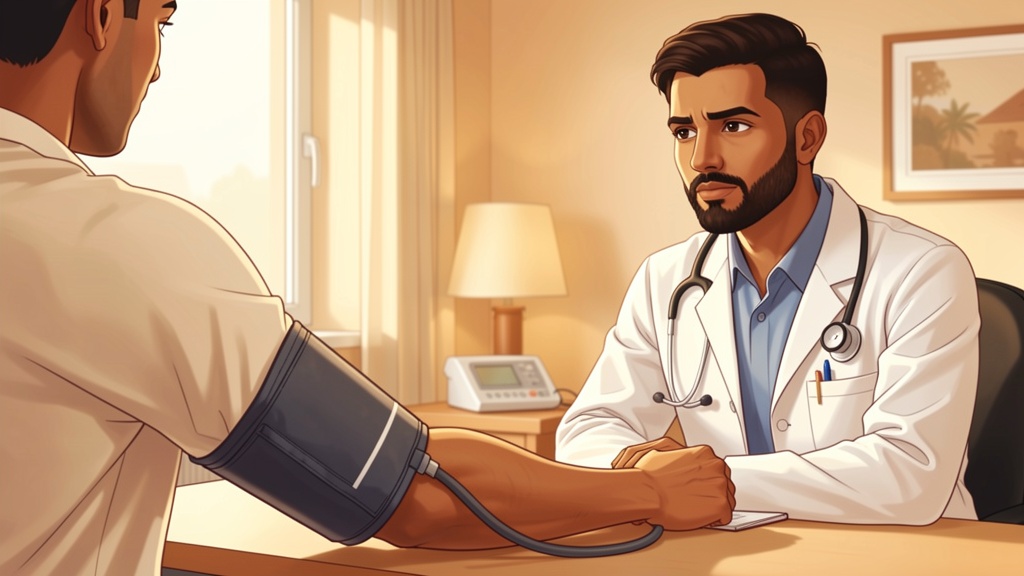
Check your blood pressure when you have a headache. This is not to confirm the headache is from blood pressure (it probably is not), but to identify whether blood pressure is dangerously elevated, which would change the urgency of your response.
Keep a record: Blood pressure readings during headache episodes, alongside readings when you feel well, give your doctor useful clinical information.
Do not self-medicate with extra antihypertensive doses during a headache unless explicitly instructed by your doctor. Taking extra blood pressure medication can cause blood pressure to drop too quickly, which has its own risks.
Follow your prescribed regimen: The most effective protection against hypertensive headache is well-controlled blood pressure maintained consistently through prescribed medications, lifestyle changes, and regular monitoring. Missing doses is a significant risk factor for pressure spikes.
If You Have Both Hypertension and Migraine
Migraine and hypertension commonly coexist in adults, particularly in midlife and older adults. An important point: treating hypertension well does not typically make migraine better, and migraine medication should not be relied upon to manage blood pressure. These are separate conditions requiring separate management.
Some medications used as migraine preventives (such as certain beta-blockers and calcium channel blockers) also lower blood pressure, meaning one medication may serve a dual purpose in some patients. This is worth discussing with your neurologist and cardiologist or physician together.
In India, where both hypertension and migraine are highly prevalent and both are underdiagnosed and undertreated, I often see patients who have been managing symptoms with over-the-counter medication for years without a clear diagnosis of either condition.
Common Questions
1. My blood pressure is 150/95: is this high enough to cause headache? At 150/95, blood pressure is elevated, but this level does not typically cause headache in most people. Blood pressure in this range contributes to cardiovascular risk and should be treated, but attributing all headache directly to it is usually not accurate. A sudden rise to this level from a lower baseline, however, or a blood pressure spike to 170/110 or above, is more likely to be accompanied by headache. Context matters: what is your usual blood pressure, and what is the pattern of headache in relation to the readings?
2. If I take my blood pressure medication regularly, will headaches go away? If headaches are genuinely driven by hypertension, better blood pressure control should help. However, many people with hypertension also have migraine or tension-type headache as independent conditions, and treating the blood pressure alone will not eliminate these. A headache that continues after blood pressure is well-controlled deserves a separate headache evaluation.
3. I was diagnosed with hypertension the day I came to hospital with a severe headache: are they definitely related? Not necessarily. A severe headache can itself elevate blood pressure as part of the pain response. So a high blood pressure reading taken during or just after a headache may reflect the headache rather than cause it. This is why doctors are cautious about attributing a headache to blood pressure based on a single elevated reading during an acute episode. Serial readings taken at rest when you are well are more informative.
4. Are there blood pressure medications that specifically help with migraine? Yes. Certain antihypertensives, particularly beta-blockers and calcium channel blockers, have evidence for migraine prevention and are used as dual-purpose treatments in patients who have both conditions. This is worth a specific conversation with your neurologist, since the right medication can address both your blood pressure and your headache prevention simultaneously.
A Personal Note
The relationship between blood pressure and headache is not as straightforward as it is commonly understood. My aim with this article is to give you accurate information so you can make better decisions. The point is not to dismiss your headache as unrelated to blood pressure, but to help you understand when it is related (and urgent), and when the headache needs a different diagnostic lens.
If you have hypertension and recurrent headaches and are not sure whether the two are connected, come and have a proper headache evaluation. With an accurate picture of both conditions, we can manage both effectively.
This article is for educational purposes only and is not a substitute for professional medical advice. Please consult a qualified neurologist for the diagnosis and treatment of any neurological condition.
Need Professional Help?
If you or your loved one is experiencing neurological symptoms, don’t hesitate to reach out. Schedule a consultation with Dr. Natasha Tipnis Shah for expert care and guidance.
Book an AppointmentSchedule Your Consultation
Take the first step towards better neurological health. Book your appointment today.
Hospital Locations
Jaslok Hospital & Research Center
K.J. Somaiya Hospital & Research Center
Somaiya Ayurvihar, Eastern Express Hwy, Sion East, Sion, Mumbai, Maharashtra 400022
24 Hours
Zynova Shalby Hospital
CTS 1900-1917, Lal Bahadur Shastri Marg, Gandhi Nagar, Kirti Vihar, Ghatkopar West, Mumbai, Maharashtra 400086
24 Hours
Heart & Vascular Superspeciality Hospital
3rd Floor, Silver Point, Lal Bahadur Shastri Marg, Kasturi Park, Maneklal Estate, Ghatkopar West, Mumbai, Maharashtra 400086
24 Hours