Headaches and Diabetes: Understanding the Connection and Managing Both
Discover how blood sugar fluctuations, diabetic complications, and medications create headaches in people with diabetes, and how to manage both conditions effectively.
Headaches and Diabetes: Understanding the Connection and Managing Both
Diabetes and headache are two of the most prevalent health conditions in India, and they frequently coexist. In my practice, I regularly see patients who have been managing both conditions in parallel without fully understanding the ways they interact, or how addressing one can improve the other.
This matters for a simple reason: in a person with diabetes, a headache is not always just a headache. It can be a signal about blood sugar, a side effect of medication, or occasionally a symptom of a vascular complication. Knowing how to interpret headache in the context of diabetes helps patients and their families act appropriately.
How Diabetes Causes or Worsens Headaches
Blood Sugar Fluctuations
The most direct link between diabetes and headache is through blood glucose levels, and it works in both directions.
Hypoglycaemia (low blood sugar): Headache is one of the earliest and most reliable symptoms of hypoglycaemia. As blood sugar drops, the brain, which depends almost entirely on glucose, starts to struggle. The headache is typically sudden, frontal, and accompanied by other hypoglycaemic symptoms: sweating, trembling, anxiety, hunger, palpitations, and confusion. This headache is a signal that blood sugar needs to be corrected immediately.
Hyperglycaemia (high blood sugar): Chronically elevated blood sugar, or acute significant rises, can also cause headache. The mechanism includes dehydration (high glucose causes fluid shifts), osmotic effects on brain cells, and vascular changes. Patients who have had poorly controlled diabetes for years often report dull, persistent headaches that improve when glycaemic control improves.
Diabetic Neuropathy
Long-standing diabetes damages peripheral nerves throughout the body. When this affects the cranial nerves, particularly the nerves supplying the muscles around the eye, it can cause painful episodes around the eye or temple area. Diabetic third nerve palsy, for example, causes pain around the eye with a drooping eyelid and double vision, and requires urgent neurological evaluation.
Hypertension
Diabetes and hypertension are extremely common companions in the Indian population, particularly in the context of metabolic syndrome. High blood pressure itself can contribute to headache, especially when significantly elevated. Managing blood pressure well is important both for vascular risk and for headache burden.
Vascular and Cerebrovascular Risk
Diabetes increases the risk of stroke and transient ischaemic attacks (TIAs). A new, sudden, or severe headache in a person with longstanding diabetes, particularly if accompanied by any neurological symptoms, should be evaluated urgently, as the risk of vascular events is higher in this population.
Warning Signs That Require Immediate Attention
Emergency, seek care immediately:
- Headache with sweating, trembling, confusion, or loss of consciousness: check blood sugar immediately; if low, correct it and seek help
- Sudden severe headache unlike any before: thunderclap headache requires emergency evaluation for vascular causes
- Headache with weakness, facial asymmetry, slurred speech, or vision changes: possible stroke, emergency
- Headache with fever and stiff neck: possible meningitis
See a doctor or neurologist promptly:
- Headache with drooping eyelid or double vision: possible diabetic cranial nerve palsy, needs urgent evaluation
- Frequent headaches that are worsening in a person with poorly controlled diabetes
- New headache pattern in a person with known diabetic complications
Managing Headaches in the Context of Diabetes
Optimise glycaemic control: The single most important intervention for headaches related to blood sugar. Stable blood glucose, avoiding both highs and lows, reduces headache frequency significantly. This is something to work on with your diabetologist and general physician.
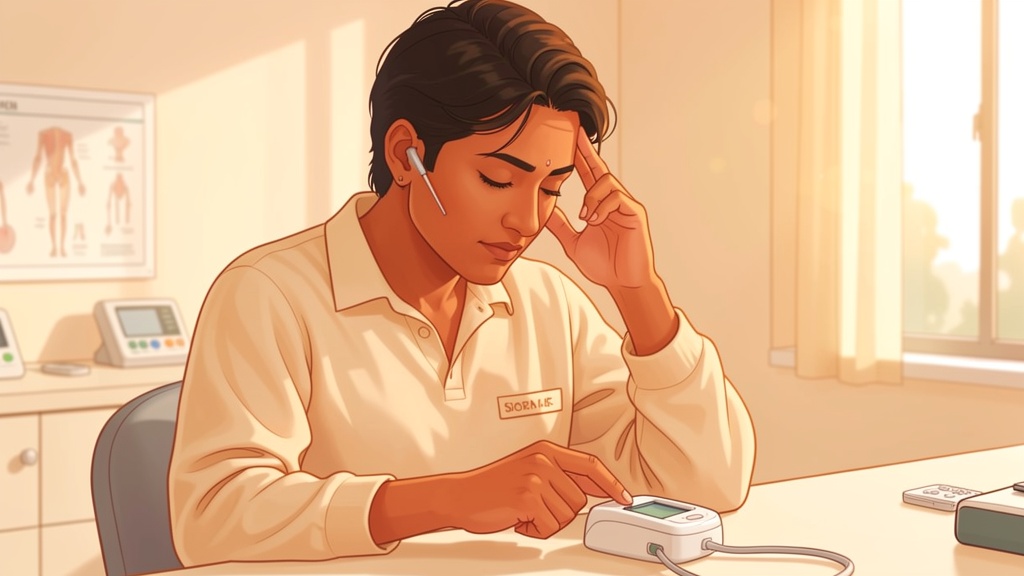
Monitor blood sugar during headaches: Developing the habit of checking blood sugar at the start of a headache is clinically valuable. If it is low, treat the hypoglycaemia first. If it is high, address that. This simple practice reduces both headache suffering and inappropriate medication use.
Hydration: Hyperglycaemia causes dehydration, and dehydration independently causes headache. Adequate fluid intake, adjusted for your overall diabetes management plan, is important.
Medication considerations: Some headache medications interact with diabetes management or are metabolised differently in people with kidney or liver complications from diabetes. NSAIDs (like ibuprofen) can affect kidney function, which is particularly relevant if diabetic nephropathy is present. Discuss all headache medications with your doctor before regular use.
Identify migraine if present: People with diabetes are not immune to primary headache disorders. If your headaches have features of migraine (one-sided, throbbing, with nausea and light sensitivity), they need to be addressed as migraine as well as in the context of diabetes. The two conditions can coexist and both need treatment.
Sleep and stress: Both poor sleep and chronic stress worsen both diabetes and headache. Managing them is part of treating both conditions together, not an optional add-on.
Common Questions
1. Every time I get a headache I check my blood sugar and it is normal, so is the headache unrelated? Not necessarily. The relationship between blood sugar and headache is dynamic: a headache triggered by a blood sugar fluctuation (a drop or a rapid rise) may have largely resolved by the time you check. Checking at the very start of a headache, before it becomes established, gives more useful information. A symptom diary that records blood glucose alongside headache onset, severity, and what you had eaten in the preceding three to four hours can reveal patterns that a single check misses.
2. Can my diabetes medications cause headaches? Some medications used in diabetes management can cause headaches, either directly or indirectly. Metformin, for example, is generally well-tolerated, but GLP-1 receptor agonists can cause nausea and headache, particularly early in treatment. Any headache that began around the time a medication was started or the dose changed is worth reporting to your prescriber.
3. My blood sugar has been better controlled recently, will the headaches improve? Improving glycaemic control does reduce headache frequency in many patients. The relationship is not immediate, since the vascular and neurological effects of chronic hyperglycaemia take time to resolve, but sustained better control typically results in reduced headache burden over months. This is one of several reasons why pursuing good glycaemic control matters beyond the direct metabolic benefits.
4. Should I see a neurologist or just discuss with my diabetologist? Both, ideally. Your diabetologist manages the metabolic picture; a neurologist evaluates whether your headaches are a primary disorder (such as migraine) that happens to coexist with diabetes, or whether they are directly related to the diabetes or its management. The two perspectives are complementary, not competing. If you have not yet had a headache evaluation separate from your diabetes review, a neurologist can add significantly to your overall care.
A Personal Note
India has one of the highest diabetes burdens in the world, and I am acutely aware of how many of my patients are managing this condition alongside everything else in their lives. When a person with diabetes comes to me with headache, I do not assume it is just stress or tension. I take a careful history, consider the blood sugar history, review the medications, and think about what the headache is telling us.
If you have diabetes and are experiencing regular headaches, please bring this to your medical team. It deserves proper evaluation: understanding what is driving the headache and how it connects to your overall health picture, alongside appropriate pain relief.
This article is for educational purposes only and is not a substitute for professional medical advice. Please consult a qualified neurologist for the diagnosis and treatment of any neurological condition.
Need Professional Help?
If you or your loved one is experiencing neurological symptoms, don’t hesitate to reach out. Schedule a consultation with Dr. Natasha Tipnis Shah for expert care and guidance.
Book an AppointmentSchedule Your Consultation
Take the first step towards better neurological health. Book your appointment today.
Hospital Locations
Jaslok Hospital & Research Center
K.J. Somaiya Hospital & Research Center
Somaiya Ayurvihar, Eastern Express Hwy, Sion East, Sion, Mumbai, Maharashtra 400022
24 Hours
Zynova Shalby Hospital
CTS 1900-1917, Lal Bahadur Shastri Marg, Gandhi Nagar, Kirti Vihar, Ghatkopar West, Mumbai, Maharashtra 400086
24 Hours
Heart & Vascular Superspeciality Hospital
3rd Floor, Silver Point, Lal Bahadur Shastri Marg, Kasturi Park, Maneklal Estate, Ghatkopar West, Mumbai, Maharashtra 400086
24 Hours