Migraine: Understanding and Management
Comprehensive guide to understanding migraines, their causes, symptoms, and effective management strategies. Learn about migraine types, triggers, diagnosis, and evidence-based treatment options.
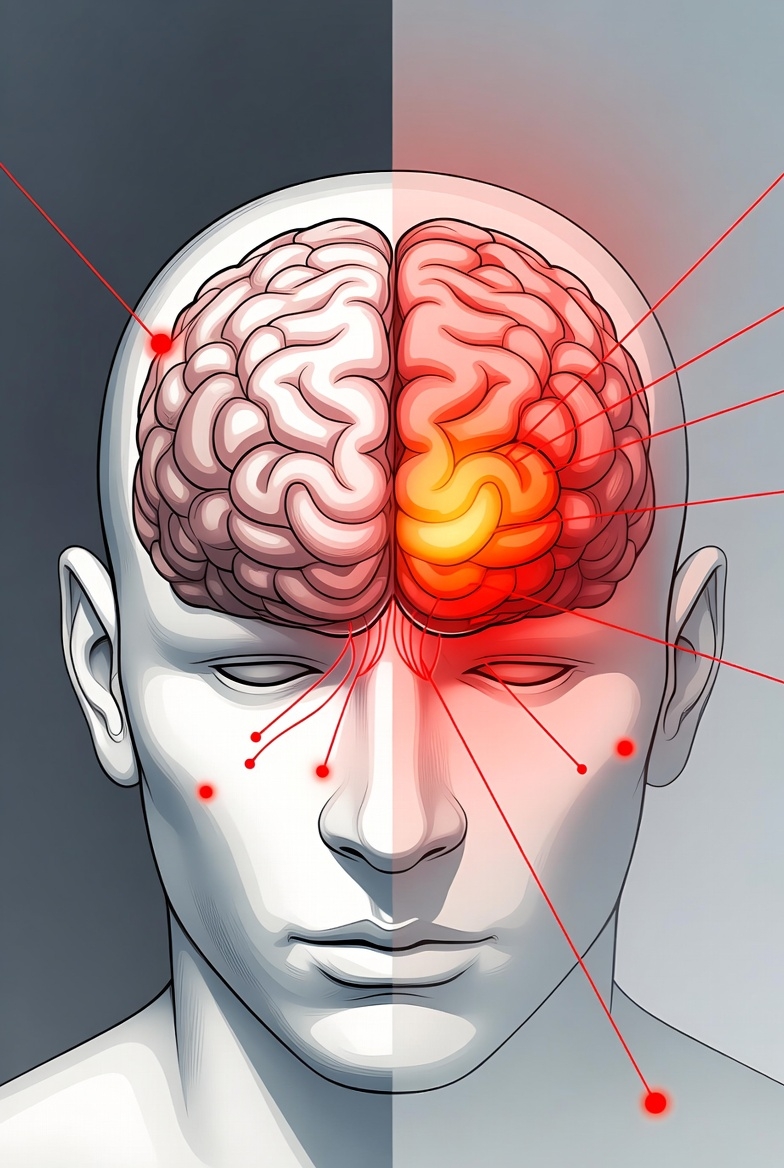
Migraine: Understanding and Management
As a neurologist with extensive experience in both the UK and India, I’ve helped countless patients understand and manage their migraines. Through my practice and work with SAMMAN, I’ve seen how proper understanding of migraines can lead to effective management and significantly improved quality of life.
Understanding Migraines
In my practice, I’ve observed that migraines are more than just severe headaches. They are complex neurological conditions that affect millions of people worldwide:
- Primary Headache Disorder: Migraines are a distinct neurological condition
- Recurrent Episodes: Characterized by recurring attacks
- Variable Presentation: Symptoms can vary significantly between individuals
- Significant Impact: Can severely affect daily functioning and quality of life
What Are Migraines?
Based on my clinical experience, migraines are characterized by:
Key Features
- Moderate to Severe Pain: Typically throbbing or pulsating in nature
- Unilateral or Bilateral: Often affects one side but can affect both
- Duration: Attacks typically last 4-72 hours if untreated
- Associated Symptoms: Nausea, vomiting, sensitivity to light and sound
- Aggravation by Activity: Physical activity often worsens the pain
Migraine Phases
Through my work with patients, I’ve identified distinct migraine phases:
Prodrome (Pre-Headache Phase)
- Occurs hours or days before the headache
- Symptoms include mood changes, food cravings, neck stiffness
- Fatigue, yawning, and increased urination
- Often unrecognized by patients initially
Aura (Visual or Sensory Disturbances)
- Occurs in about 25-30% of migraine sufferers
- Visual symptoms: flashing lights, zigzag lines, blind spots
- Sensory symptoms: tingling, numbness
- Speech disturbances in some cases
- Typically lasts 20-60 minutes
Headache Phase
- Moderate to severe pain
- Throbbing or pulsating quality
- Often unilateral but can be bilateral
- Accompanied by nausea, vomiting, photophobia, phonophobia
- Worsened by physical activity
Postdrome (Recovery Phase)
- Fatigue and mood changes
- Difficulty concentrating
- Residual head pain or tenderness
- Can last hours to days
Types of Migraines
Based on my clinical practice, these are the main types:
Migraine Without Aura (Common Migraine)
- Most common type, affecting about 70-90% of migraine sufferers
- No warning signs before headache onset
- Moderate to severe pain
- Associated with nausea, vomiting, sensitivity to light and sound
Migraine With Aura (Classic Migraine)
- Occurs in 25-30% of migraine sufferers
- Visual, sensory, or speech disturbances before headache
- Aura typically lasts 20-60 minutes
- Headache follows aura, though sometimes aura occurs without headache
Chronic Migraine
- Headaches occurring 15 or more days per month
- At least 8 days with migraine features
- Significant impact on daily life
- Requires specialized management approach
Menstrual Migraine
- Related to hormonal changes during menstrual cycle
- Often occurs just before or during menstruation
- May be more severe and less responsive to treatment
- Hormonal management may be beneficial
Understanding Migraine Pathophysiology
In my practice, I explain to patients that migraines involve:
Neurological Mechanisms
- Cortical Spreading Depression: Wave of neuronal activity across the brain
- Trigeminal Nerve Activation: Key pain pathway involvement
- Neurotransmitter Changes: Serotonin and other neurotransmitter fluctuations
- Vascular Changes: Blood vessel dilation and inflammation
- Central Sensitization: Increased sensitivity to pain signals
Genetic Factors
- Strong familial component
- Multiple genes involved
- Not fully understood but research continues
- Family history is important in diagnosis
Common Migraine Triggers
Through my experience with patients, I’ve identified these common triggers:
Dietary Triggers
- Caffeine: Both excess and withdrawal can trigger migraines
- Alcohol: Especially red wine and beer
- Aged Cheeses: Tyramine content
- Processed Meats: Nitrates and nitrites
- Artificial Sweeteners: Aspartame in particular
- Monosodium Glutamate (MSG): Common in processed foods
- Skipping Meals: Irregular eating patterns
Environmental Triggers
- Bright Lights: Fluorescent lighting, sunlight
- Loud Noises: Sudden or continuous loud sounds
- Strong Smells: Perfumes, chemicals, smoke
- Weather Changes: Barometric pressure changes
- Altitude Changes: Air travel, mountain climbing
Lifestyle Triggers
- Stress: Both during and after stressful periods
- Sleep Changes: Too much or too little sleep
- Physical Exertion: Intense exercise
- Hormonal Changes: Menstrual cycle, pregnancy, menopause
- Medication Overuse: Rebound headaches from frequent painkiller use
Individual Variations
- Triggers vary significantly between individuals
- Multiple triggers often combine
- Not all triggers affect every person
- Keeping a migraine diary helps identify personal triggers
Diagnosis of Migraines
Based on my clinical practice, diagnosis involves:
Clinical Assessment
- Detailed History: Pattern, frequency, duration, characteristics
- Symptom Description: Pain quality, location, associated symptoms
- Trigger Identification: Personal trigger patterns
- Impact Assessment: Effect on daily life and functioning
- Family History: Genetic predisposition
Diagnostic Criteria (ICHD-3)
- At least 5 attacks meeting criteria
- Headache lasting 4-72 hours
- At least 2 of: unilateral, pulsating, moderate-severe, aggravated by activity
- At least 1 of: nausea/vomiting, photophobia/phonophobia
When Additional Testing Is Needed
- Atypical presentation
- Sudden onset of severe headaches
- Neurological symptoms
- Headaches after age 50
- Progressive worsening
- Headaches with fever or other concerning symptoms
Acute Treatment Options
From my experience, effective acute treatment matters:
Over-the-Counter Medications
- NSAIDs: Ibuprofen, naproxen for mild to moderate migraines
- Acetaminophen: May help some patients
- Combination Medications: Caffeine-containing preparations
- Limitations: May not be sufficient for severe migraines
Prescription Medications
Triptans
- Mechanism: Serotonin receptor agonists
- Effectiveness: Highly effective for many patients
- Forms: Tablets, nasal sprays, injections
- Timing: Most effective when taken early in attack
- Contraindications: Heart disease, uncontrolled hypertension, stroke history
Ergots
- Use: Less commonly used now
- Reserved: For patients who don’t respond to triptans
- Caution: More side effects than triptans
Anti-Nausea Medications
- Metoclopramide: Helps with nausea and may improve pain relief
- Prochlorperazine: Effective for nausea and migraine
- Ondansetron: For severe nausea
Non-Pharmacological Acute Treatments
- Rest in Dark, Quiet Room: Reduces sensory stimulation
- Cold Compress: Applied to forehead or neck
- Hydration: Important during attacks
- Relaxation Techniques: Deep breathing, meditation
- Acupressure: May provide some relief
Preventive Treatment
Based on my practice, preventive treatment is indicated when:
When to Consider Prevention
- Frequent attacks (4 or more per month)
- Severe attacks affecting daily life
- Acute medications ineffective or overused
- Significant disability from migraines
- Patient preference for prevention
Preventive Medications
Beta-Blockers
- Propranolol, Metoprolol: First-line preventive options
- Mechanism: Reduce frequency and severity
- Effectiveness: 50-70% reduction in many patients
- Side Effects: Fatigue, dizziness, low blood pressure
Antidepressants
- Amitriptyline: Effective for migraine prevention
- Venlafaxine: Alternative option
- Mechanism: Affects neurotransmitters
- Benefit: Also helps with comorbid depression/anxiety
Anti-Seizure Medications
- Topiramate: Effective preventive medication
- Valproate: Alternative option
- Mechanism: Stabilizes neuronal activity
- Monitoring: Requires regular monitoring
Calcium Channel Blockers
- Verapamil: May be effective
- Use: Less commonly used now
- Consideration: For patients with contraindications to other options
CGRP Monoclonal Antibodies
- Newer Option: Erenumab, Fremanezumab, Galcanezumab
- Mechanism: Blocks calcitonin gene-related peptide
- Effectiveness: Significant reduction in migraine days
- Administration: Monthly or quarterly injections
- Consideration: For patients with frequent migraines not responding to other treatments
Botox Injections
- Indication: Chronic migraine (15+ headache days/month)
- Administration: Every 12 weeks
- Mechanism: Blocks pain signals
- Effectiveness: Reduces headache frequency significantly
Lifestyle Modifications for Prevention
- Regular Sleep Schedule: Consistent sleep-wake times
- Regular Meals: Avoid skipping meals
- Stress Management: Regular relaxation practices
- Regular Exercise: Moderate, consistent activity
- Trigger Avoidance: Based on personal trigger identification
- Hydration: Adequate daily fluid intake
Managing Migraines in Special Populations
In my practice, I’ve found these considerations important:
Children and Adolescents
- Migraines can start in childhood
- Presentation may differ from adults
- Treatment options may be limited
- Family support matters
- School accommodations may be needed
Pregnant Women
- Medication restrictions during pregnancy
- Non-pharmacological approaches preferred
- Some medications may be safe with medical supervision
- Hormonal changes can affect migraine patterns
- Postpartum period also significant
Elderly Patients
- New-onset migraines after age 50 require evaluation
- Medication interactions more common
- Comorbid conditions affect treatment choices
- Lower medication doses may be needed
- Different presentation possible
Women with Hormonal Migraines
- Menstrual cycle tracking important
- Hormonal treatments may be considered
- Pregnancy planning considerations
- Menopause transition period significant
- Hormone replacement therapy effects
Complementary and Alternative Therapies
From my experience, some patients benefit from:
Evidence-Based Options
- Acupuncture: May reduce migraine frequency
- Biofeedback: Teaches control of physiological responses
- Cognitive Behavioral Therapy: Helps with pain management
- Relaxation Techniques: Meditation, progressive muscle relaxation
- Yoga: May reduce stress and migraine frequency
Supplements
- Magnesium: Some evidence for prevention
- Riboflavin (Vitamin B2): May reduce frequency
- Coenzyme Q10: Limited evidence
- Butterbur: Some evidence but quality concerns
- Feverfew: Traditional use, limited modern evidence
Important Considerations
- Discuss with healthcare provider before starting
- Quality and purity of supplements vary
- Interactions with medications possible
- Evidence varies for different supplements
- Not a substitute for medical treatment
Migraine Diary: Essential Tool
In my practice, I emphasize the importance of keeping a migraine diary:
What to Record
- Date and Time: When migraine started and ended
- Pain Intensity: Scale of 1-10
- Location: Where pain was felt
- Symptoms: Nausea, vomiting, sensitivity to light/sound
- Aura: Any visual or sensory disturbances
- Triggers: What might have caused it
- Medications: What was taken and effectiveness
- Activities: What you were doing before onset
- Sleep: Quality and duration
- Stress Level: Current stress factors
Benefits of Tracking
- Pattern Recognition: Identify triggers and patterns
- Treatment Effectiveness: Evaluate what works
- Communication: Better discussions with healthcare provider
- Empowerment: Understanding your condition better
- Prevention: Early recognition of prodrome symptoms
When to Seek Emergency Care
Through my years of practice, I’ve identified these emergency situations:
Immediate Emergency Care Needed
- Thunderclap Headache: Sudden, severe headache reaching peak intensity in seconds
- Headache with Fever and Stiff Neck: Possible meningitis
- Headache After Head Injury: Possible brain injury
- Headache with Confusion or Loss of Consciousness: Neurological emergency
- Headache with Weakness or Numbness: Possible stroke
- Headache with Vision Loss: Requires immediate evaluation
- Worst Headache of Your Life: New severe headache
- Headache with Seizure: Neurological emergency
Urgent Care Situations
- Sudden Change in Migraine Pattern: New symptoms or characteristics
- Migraine Not Responding to Usual Treatment: May need different approach
- Medication Overuse: Rebound headaches from frequent medication use
- Pregnancy: New or worsening headaches during pregnancy
- New Onset After Age 50: Requires thorough evaluation
Living with Migraines
Based on my experience helping patients, these strategies help:
Daily Management
- Routine: Maintain consistent daily routines
- Self-Care: Prioritize sleep, nutrition, exercise
- Stress Management: Regular relaxation practices
- Support System: Family and friends who understand
- Education: Learn about your condition
Work and School
- Communication: Discuss with employers/teachers
- Accommodations: Request reasonable accommodations
- Flexibility: When possible, flexible schedules help
- Preparedness: Have treatment plan ready
- Documentation: Keep records for accommodations
Relationships
- Education: Help loved ones understand migraines
- Communication: Express needs during attacks
- Support: Accept help when offered
- Understanding: Recognize impact on relationships
- Patience: Recovery takes time
Take Action Today
Based on my experience helping patients, here are the next steps:
Immediate Steps
- Start a Migraine Diary: Track your attacks and triggers
- Identify Your Triggers: Look for patterns in your diary
- Review Your Current Treatment: Evaluate effectiveness
- Consult Healthcare Provider: Discuss treatment options
Long-term Planning
- Develop Treatment Plan: Acute and preventive strategies
- Lifestyle Modifications: Implement trigger avoidance
- Regular Follow-ups: Monitor progress and adjust treatment
- Stay Informed: Learn about new treatment options
- Build Support Network: Connect with others with migraines
Common Questions
In my practice, these are the most frequent questions I receive:
-
What’s the difference between a migraine and a regular headache? Migraines are a neurological condition with specific characteristics including moderate-severe pain, nausea, and sensitivity to light/sound, often with a genetic component.
-
Can migraines be cured? While there’s no cure, effective management can significantly reduce frequency and severity, allowing most people to live normal, productive lives.
-
Are migraines dangerous? Most migraines are not dangerous, but certain symptoms require immediate medical attention. Regular migraines, when properly managed, are not life-threatening.
-
Should I take medication for every migraine? Not necessarily. Mild migraines may respond to rest and non-pharmacological measures. Moderate to severe migraines typically benefit from medication.
-
Can I prevent migraines? Yes, through trigger avoidance, lifestyle modifications, and preventive medications when indicated. Many people achieve significant reduction in frequency.
-
Are there natural treatments for migraines? Some complementary therapies like acupuncture, biofeedback, and certain supplements may help, but should be discussed with your healthcare provider and used alongside medical treatment.
A Message of Hope
Through my years of practice, I’ve helped many patients manage their migraines effectively. Migraines can be difficult to live with, but with proper understanding, appropriate treatment, and lifestyle modifications, most people can achieve significant improvement in their quality of life. If you’re dealing with migraines, you don’t have to work it out alone, and effective management is possible.
Additional Resources
- Migraine support organizations
- Educational materials on migraine management
- Healthcare provider directory
- Treatment guidelines and research updates
- Support groups and online communities
This article is for educational purposes only and is not a substitute for professional medical advice. Please consult a qualified neurologist for the diagnosis and treatment of any neurological condition.
Need Professional Help?
If you or your loved one is experiencing neurological symptoms, don’t hesitate to reach out. Schedule a consultation with Dr. Natasha Tipnis Shah for expert care and guidance.
Book an AppointmentSchedule Your Consultation
Take the first step towards better neurological health. Book your appointment today.
Hospital Locations
Jaslok Hospital & Research Center
K.J. Somaiya Hospital & Research Center
Somaiya Ayurvihar, Eastern Express Hwy, Sion East, Sion, Mumbai, Maharashtra 400022
24 Hours
Zynova Shalby Hospital
CTS 1900-1917, Lal Bahadur Shastri Marg, Gandhi Nagar, Kirti Vihar, Ghatkopar West, Mumbai, Maharashtra 400086
24 Hours
Heart & Vascular Superspeciality Hospital
3rd Floor, Silver Point, Lal Bahadur Shastri Marg, Kasturi Park, Maneklal Estate, Ghatkopar West, Mumbai, Maharashtra 400086
24 Hours