Headache Emergency Guide: When to Act Fast
Critical guide on recognizing emergency headache symptoms and knowing when to seek immediate medical care. Learn about red flags, emergency symptoms, and what to do in headache emergencies.
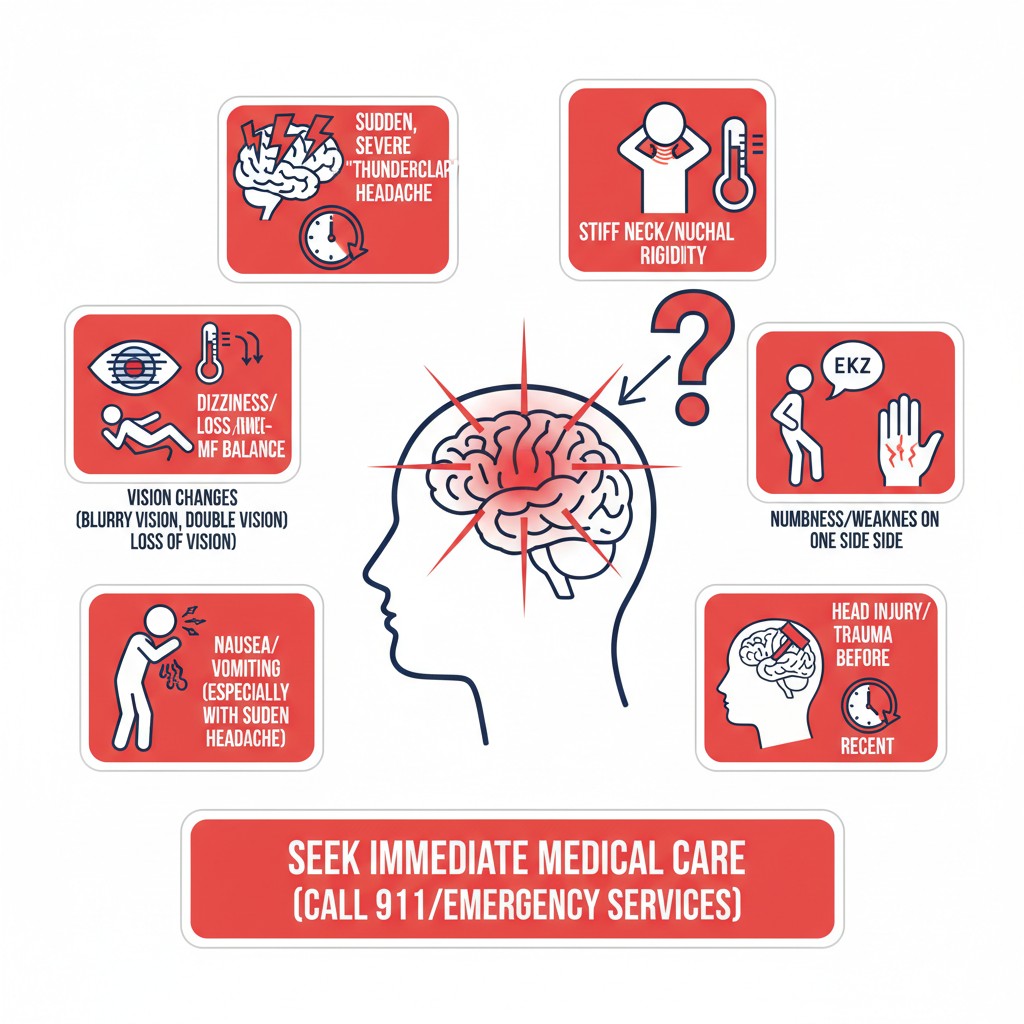
Headache Emergency Guide: When to Act Fast
As a neurologist with extensive experience in both the UK and India, I’ve seen many patients who were unsure when their headache required emergency care. Through my practice and work with SAMMAN, I’ve learned that understanding when to seek immediate medical attention can be life-saving. This guide will help you recognize emergency situations and take appropriate action.
Understanding Headache Emergencies
In my practice, I’ve observed that most headaches are not emergencies, but certain symptoms require immediate medical attention:
- Most Headaches Are Not Emergencies: The majority of headaches are not life-threatening
- Some Symptoms Are Critical: Certain symptoms indicate serious underlying conditions
- Time Is Critical: Early recognition and treatment can save lives
- When in Doubt, Seek Care: It’s always better to be evaluated if you’re concerned
Emergency Symptoms: Call Emergency Services Immediately
Through my years of practice, I’ve identified these symptoms that require immediate emergency care:
Thunderclap Headache
- Description: Sudden, severe headache reaching peak intensity within seconds to minutes
- Characteristics: Often described as “worst headache of my life”
- Possible Causes: Subarachnoid hemorrhage, stroke, brain aneurysm rupture
- Action: Call emergency services immediately - this is a medical emergency
- Time Sensitivity: Every minute counts - do not delay
Headache with Fever and Stiff Neck
- Description: Headache accompanied by fever and neck stiffness
- Possible Causes: Meningitis, encephalitis, brain infection
- Additional Symptoms: May include confusion, sensitivity to light, rash
- Action: Seek emergency care immediately - meningitis can be life-threatening
- Urgency: This is a medical emergency requiring immediate treatment
Headache After Head Injury
- Description: Headache following any head trauma, even if minor
- Possible Causes: Brain injury, concussion, intracranial bleeding
- Additional Symptoms: May include confusion, memory loss, nausea, vomiting
- Action: Seek emergency care immediately, especially if symptoms worsen
- Important: Even minor head injuries can cause serious problems
Headache with Neurological Symptoms
- Description: Headache accompanied by neurological symptoms
- Symptoms Include:
- Confusion or altered mental state
- Loss of consciousness
- Weakness or numbness (especially on one side)
- Difficulty speaking or understanding speech
- Vision loss or double vision
- Balance problems or difficulty walking
- Seizure
- Possible Causes: Stroke, brain tumor, brain infection, other serious conditions
- Action: Call emergency services immediately - these are signs of serious neurological conditions
Headache with Vision Loss
- Description: Headache accompanied by vision loss or significant vision changes
- Possible Causes: Stroke, brain tumor, increased intracranial pressure, other serious conditions
- Action: Seek emergency care immediately - vision loss requires urgent evaluation
- Urgency: Permanent vision loss can occur if not treated promptly
Headache with Seizure
- Description: Headache accompanied by or followed by a seizure
- Possible Causes: Brain tumor, stroke, brain infection, epilepsy
- Action: Call emergency services immediately - seizures require immediate medical attention
- Important: Protect person from injury during seizure, then seek immediate care
Worst Headache of Your Life
- Description: New severe headache that is the worst you’ve ever experienced
- Possible Causes: Subarachnoid hemorrhage, brain aneurysm rupture, stroke, other serious conditions
- Action: Seek emergency care immediately - this requires urgent evaluation
- Urgency: Even if you’ve had headaches before, a new “worst ever” headache needs evaluation
Headache with Severe Nausea and Vomiting
- Description: Headache with persistent, severe nausea and vomiting
- Possible Causes: Increased intracranial pressure, brain tumor, stroke, meningitis
- Action: Seek emergency care, especially if vomiting is persistent or projectile
- Important: Dehydration from vomiting can worsen the situation
Red Flags: Seek Urgent Medical Care
Based on my clinical experience, these symptoms require prompt medical attention (within hours):
Sudden Change in Headache Pattern
- Description: Sudden change in your usual headache pattern
- Examples: New type of headache, different location, different characteristics
- Action: Seek urgent medical care - changes in pattern need evaluation
- Timing: Within hours, not necessarily emergency services
Headache Worsening Over Time
- Description: Headache that progressively worsens over hours or days
- Possible Causes: Various serious conditions
- Action: Seek urgent medical care - progressive symptoms need evaluation
- Important: Document the progression to help healthcare providers
Headache in Older Adults
- Description: New onset headache after age 50
- Possible Causes: Various conditions more common in older adults
- Action: Seek urgent medical care - new headaches in older adults need evaluation
- Important: Even if mild, new headaches in older adults should be evaluated
Headache with Personality Changes
- Description: Headache accompanied by personality or behavioral changes
- Examples: Confusion, irritability, memory problems, inappropriate behavior
- Possible Causes: Brain tumor, stroke, brain infection, other serious conditions
- Action: Seek urgent medical care - personality changes need evaluation
Headache Not Responding to Treatment
- Description: Headache that doesn’t respond to usual treatment
- Action: Seek medical care - may need different treatment approach
- Timing: Within hours to days, depending on severity
- Important: Document what treatments have been tried
Headache with Eye Symptoms
- Description: Headache with eye-related symptoms
- Examples: Vision changes, eye pain, eye redness, pupil changes
- Possible Causes: Various conditions affecting eyes or brain
- Action: Seek urgent medical care - eye symptoms need evaluation
When to Call Emergency Services
Based on my experience, call emergency services (ambulance) for:
Immediate Emergency Situations
- Thunderclap Headache: Sudden, severe headache reaching peak in seconds
- Headache with Fever and Stiff Neck: Possible meningitis
- Headache After Head Injury: Especially with neurological symptoms
- Headache with Neurological Symptoms: Weakness, numbness, confusion, speech problems
- Headache with Vision Loss: Significant vision changes
- Headache with Seizure: Any seizure activity
- Worst Headache Ever: New severe headache that is worst ever experienced
- Loss of Consciousness: With or without headache
When to Drive to Emergency Department
- Severe Headache: But not immediately life-threatening
- Headache with Concerning Symptoms: But not emergency symptoms
- Headache Not Responding to Treatment: Severe but stable
- When Ambulance Not Available: If emergency services not readily available
When to Call Healthcare Provider
- Frequent Headaches: More than usual
- Headache Pattern Changes: But not emergency symptoms
- Headache Concerns: When you’re worried but not emergency
- Treatment Questions: About current headache management
What to Do in a Headache Emergency
From my experience, here’s what to do:
Immediate Actions
- Call Emergency Services: If emergency symptoms are present
- Stay Calm: Try to remain calm to help the person
- Position Comfortably: Help person into comfortable position
- Monitor Symptoms: Watch for changes in condition
- Gather Information: If possible, gather medical history and medications
- Do Not Give Medications: Unless specifically instructed by emergency services
- Do Not Leave Alone: Stay with person until help arrives
Information to Provide
- Symptoms: What symptoms are present
- Onset: When symptoms started
- Severity: How severe the headache is
- Associated Symptoms: Nausea, vomiting, neurological symptoms
- Medical History: Known medical conditions
- Medications: Current medications
- Allergies: Known allergies
- Recent Events: Head injury, recent illness, etc.
While Waiting for Help
- Stay with Person: Do not leave them alone
- Monitor Breathing: Ensure person is breathing normally
- Check Consciousness: Monitor level of consciousness
- Keep Calm: Reassure person if they’re conscious
- Prepare Information: Have medical information ready
- Do Not Give Food or Drink: In case surgery is needed
Understanding Different Emergency Conditions
Based on my clinical practice, here are some conditions that can cause emergency headaches:
Subarachnoid Hemorrhage
- Description: Bleeding in the space around the brain
- Symptoms: Thunderclap headache, neck stiffness, confusion
- Urgency: Immediate emergency - can be life-threatening
- Treatment: Requires immediate medical intervention
Meningitis
- Description: Infection of the membranes surrounding the brain
- Symptoms: Headache, fever, stiff neck, confusion, sensitivity to light
- Urgency: Immediate emergency - can be life-threatening
- Treatment: Requires immediate antibiotics and medical care
Stroke
- Description: Interruption of blood supply to brain
- Symptoms: Headache, weakness, numbness, speech problems, vision changes
- Urgency: Immediate emergency - time is critical
- Treatment: Requires immediate medical intervention
Brain Tumor
- Description: Growth in the brain
- Symptoms: Headache, neurological symptoms, personality changes
- Urgency: Urgent but not always immediate emergency
- Treatment: Requires medical evaluation and treatment
Increased Intracranial Pressure
- Description: Increased pressure inside the skull
- Symptoms: Headache, vision changes, nausea, vomiting
- Urgency: Immediate emergency - can be life-threatening
- Treatment: Requires immediate medical intervention
Brain Aneurysm Rupture
- Description: Rupture of weakened blood vessel in brain
- Symptoms: Thunderclap headache, neck stiffness, neurological symptoms
- Urgency: Immediate emergency - can be life-threatening
- Treatment: Requires immediate medical intervention
Prevention and Preparedness
From my experience, being prepared can help:
Know Your Headaches
- Understand Your Pattern: Know your usual headache pattern
- Recognize Changes: Be aware of changes in your headaches
- Keep Records: Maintain a headache diary
- Know Your Triggers: Understand what triggers your headaches
Have a Plan
- Emergency Contacts: Have emergency contact numbers ready
- Medical Information: Keep medical information accessible
- Medication List: Have current medication list available
- Healthcare Provider: Know how to reach your healthcare provider
- Emergency Services: Know how to call emergency services
Regular Medical Care
- Regular Check-ups: Maintain regular healthcare visits
- Follow Treatment Plans: Follow prescribed treatment plans
- Report Changes: Report any changes in headache pattern
- Ask Questions: Don’t hesitate to ask healthcare providers questions
Special Considerations
Based on my practice, these groups need special consideration:
Children
- Different Symptoms: Children may not describe symptoms clearly
- Behavioral Changes: May show behavioral changes instead of describing pain
- Urgency: Children with emergency symptoms need immediate care
- Parental Judgment: Trust your instincts as a parent
Older Adults
- New Headaches: New headaches in older adults need evaluation
- Atypical Symptoms: May have different symptoms than younger adults
- Multiple Conditions: May have multiple medical conditions
- Medication Interactions: More likely to have medication interactions
Pregnant Women
- Pregnancy-Specific: Some conditions are specific to pregnancy
- Medication Considerations: Medication choices are limited
- Urgency: Emergency symptoms still require immediate care
- Specialist Care: May need specialist evaluation
People with Chronic Headaches
- Pattern Recognition: Know your usual pattern
- Change Recognition: Recognize changes in your pattern
- Emergency Symptoms: Still need emergency care for emergency symptoms
- Treatment Adjustments: May need treatment adjustments
Regional Considerations
From my work across different regions, I’ve observed:
Healthcare Access
- Emergency Services: Know how to access emergency services in your area
- Healthcare Facilities: Know where nearest emergency facilities are
- Transportation: Have plan for getting to emergency care
- Communication: Know how to communicate with healthcare providers
Cultural Factors
- Language Barriers: Ensure you can communicate with healthcare providers
- Cultural Sensitivity: Healthcare providers should be culturally sensitive
- Family Involvement: Family may be involved in healthcare decisions
- Traditional Medicine: Discuss with healthcare providers if using traditional medicine
Take Action Today
Based on my experience helping patients, here are the next steps:
Immediate Steps
- Learn Emergency Symptoms: Know what symptoms require emergency care
- Have Emergency Plan: Know how to access emergency care
- Keep Medical Information: Have medical information accessible
- Know Your Headaches: Understand your usual headache pattern
Long-term Planning
- Regular Medical Care: Maintain regular healthcare visits
- Headache Diary: Keep track of your headaches
- Education: Continue learning about headaches
- Preparedness: Be prepared for emergencies
Common Questions
In my practice, patients frequently ask:
-
When should I call an ambulance for a headache? Call an ambulance for thunderclap headache, headache with fever and stiff neck, headache with neurological symptoms, or worst headache ever.
-
Can I drive myself to the emergency department? If you have emergency symptoms, it’s safer to call an ambulance. If symptoms are less severe, you may drive if you feel able to do so safely.
-
What if I’m not sure if it’s an emergency? When in doubt, seek medical care. It’s always better to be evaluated if you’re concerned.
-
Will I be wasting emergency services’ time? No, if you have concerning symptoms, it’s appropriate to seek emergency care. Healthcare providers would rather evaluate you than miss a serious condition.
-
What should I tell emergency services? Describe your symptoms clearly, when they started, how severe they are, and any associated symptoms. Provide medical history and current medications if possible.
-
Can headaches be life-threatening? Most headaches are not life-threatening, but some conditions causing headaches can be. That’s why it’s important to recognize emergency symptoms and seek appropriate care.
A Message of Hope
Through my years of practice, I’ve seen how recognizing emergency symptoms and seeking appropriate care can save lives. Most headaches are not emergencies, but knowing when to seek immediate care matters. It’s always better to be evaluated if you’re concerned. Don’t hesitate to seek emergency care for emergency symptoms; your health and safety come first.
Additional Resources
- Emergency services contact information
- Healthcare provider directory
- Educational materials on headache emergencies
- Support resources for headache management
- Information on headache prevention and management
This article is for educational purposes only and is not a substitute for professional medical advice. Please consult a qualified neurologist for the diagnosis and treatment of any neurological condition.
Need Professional Help?
If you or your loved one is experiencing neurological symptoms, don’t hesitate to reach out. Schedule a consultation with Dr. Natasha Tipnis Shah for expert care and guidance.
Book an AppointmentSchedule Your Consultation
Take the first step towards better neurological health. Book your appointment today.
Hospital Locations
Jaslok Hospital & Research Center
K.J. Somaiya Hospital & Research Center
Somaiya Ayurvihar, Eastern Express Hwy, Sion East, Sion, Mumbai, Maharashtra 400022
24 Hours
Zynova Shalby Hospital
CTS 1900-1917, Lal Bahadur Shastri Marg, Gandhi Nagar, Kirti Vihar, Ghatkopar West, Mumbai, Maharashtra 400086
24 Hours
Heart & Vascular Superspeciality Hospital
3rd Floor, Silver Point, Lal Bahadur Shastri Marg, Kasturi Park, Maneklal Estate, Ghatkopar West, Mumbai, Maharashtra 400086
24 Hours